
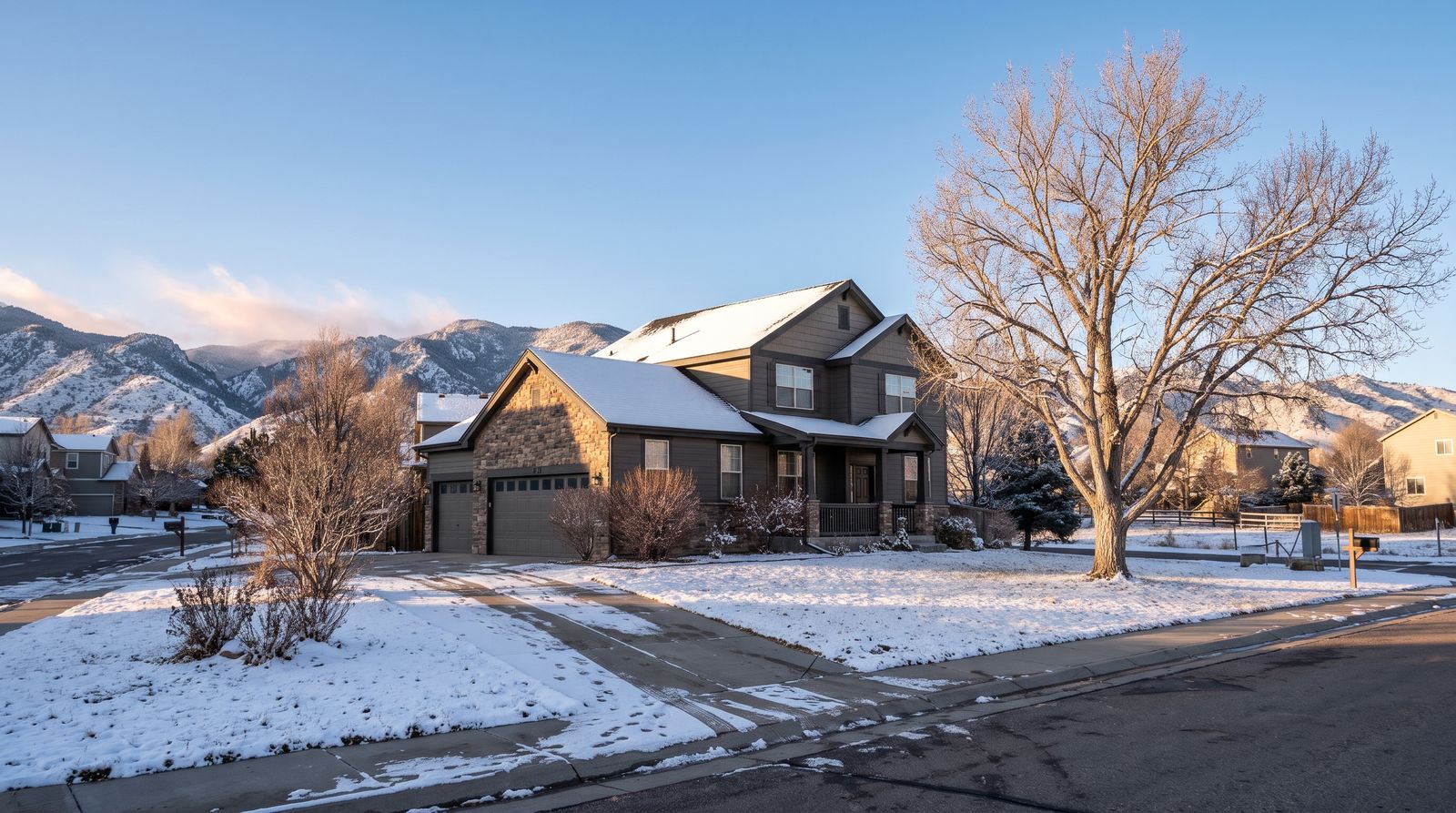
Colorado homeowner's guide
Keep a Colorado house sound, season by season
Hail in June, a sprinkler that has to be empty by October, ice at the eaves in January and radon under the slab all year. Plain guidance on what to check, when, and how to hire the right help when you need it.
The almanac
What a Colorado house needs this month
Pick a month. Each list is built around Front Range weather: freeze dates, hail weeks, March snow and dry winter air. Tick tasks off as you go; your progress stays on this device.
Season
Month
Turn on JavaScript to use the interactive calendar, or read the seasonal maintenance guide.
The guides
Six guides for the problems Colorado houses actually have
Each one explains how the problem starts, what you can check yourself, where a professional earns their fee, and what to ask before you hire one.
-
Seasonal maintenance calendar
Month by month tasks tuned to Front Range freezes, dry air and spring storms.

-
Hail and roof checks
What to look at after a storm, what to photograph, and when to call for an inspection.

-
Snow, ice dams and freeze protection
Why ice builds at the eaves, how to stop it, and protecting pipes and hose bibs.

-
Sprinkler winterization and spring startup
Blowouts, backflow preventers and the timing questions every fall brings.

-
Radon basics for Colorado homes
Testing, reading your number, and where the state radon program fits in.

-
Choosing and vetting contractors
Permits, local licensing, written bids and the questions that separate good crews.

Why it is different here
Five things Colorado does to a house
A maintenance checklist written for Ohio or Georgia misses most of what wears a Colorado home down. These are the forces worth planning around.
Hail
The Front Range sees frequent hailstorms in late spring and summer. Damage is often invisible from the yard, so habits and documentation matter more than luck.
Hail and roof checksFreeze and thaw
Sunny days above freezing followed by hard nights cycle water in and out of ice all winter. That is how ice dams form and how small cracks grow.
Snow and ice damsHigh-altitude sun
Thinner air lets more ultraviolet through, which breaks down paint, stain, caulk and roofing faster on south and west exposures.
Seasonal calendarDry air, short watering season
Irrigation runs for a few warm months, then every line has to be emptied before the ground freezes. Backflow preventers sit above ground and freeze first.
Sprinkler winterizationRadon
Colorado geology makes elevated radon common. You cannot see or smell it, and the only way to know your home's level is to test.
Radon basics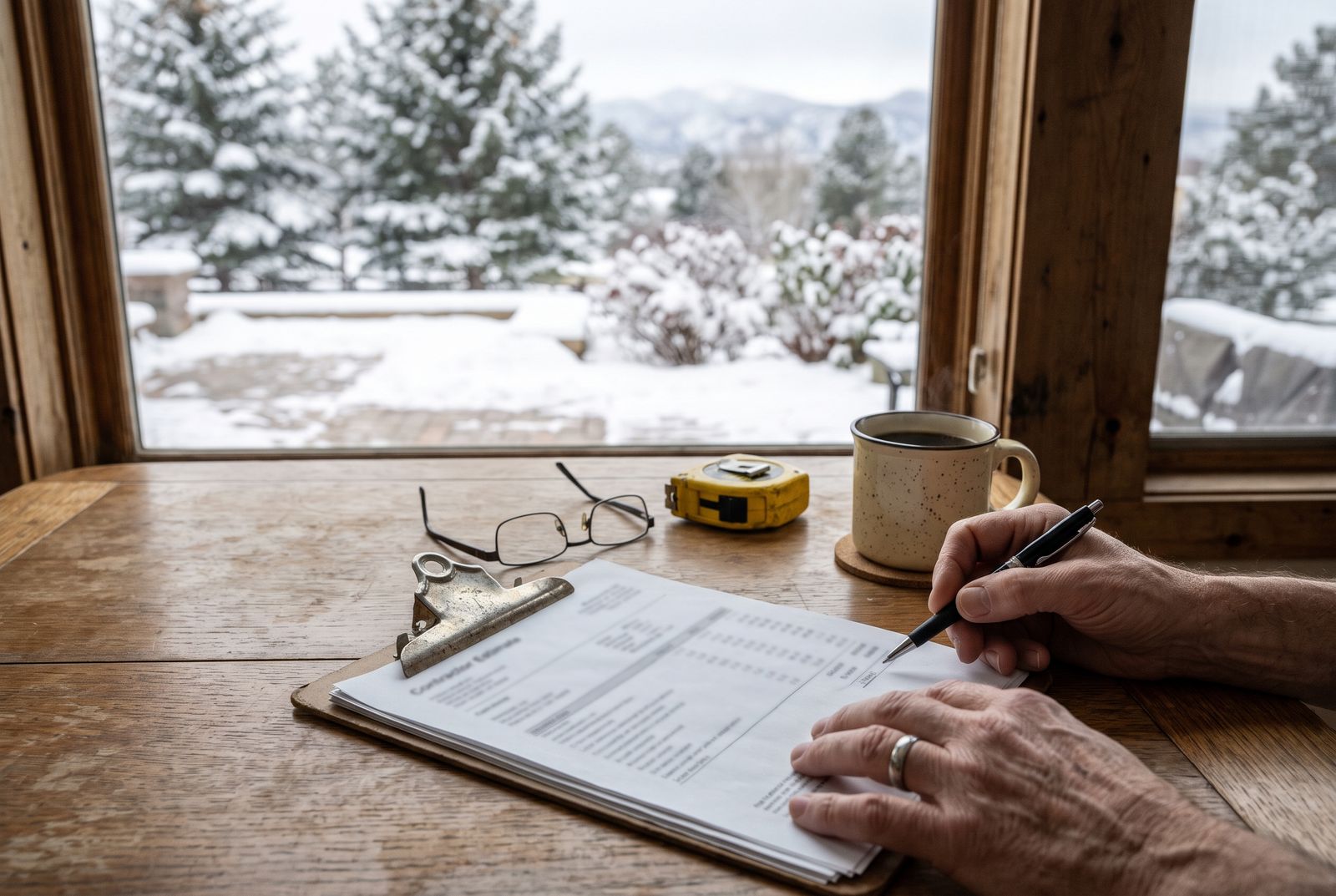
Before you sign
Most bad projects go wrong at the bid stage
After a hailstorm, flyers and door knockers arrive within days. A little structure in how you compare contractors protects you from the worst of it.
- Check what your city or county requires for licensing and permits.
- Get the scope, materials and schedule in writing, on every bid.
- Confirm insurance with the carrier, not just a certificate.
- Never pay most of the job up front.
Ask a question
Not sure what you are looking at on your house?
Describe what you are seeing or the project you are planning. Questions help shape what gets covered in these guides next.
CO Homes Pro is an independent guide, not a contractor, inspector or brokerage. Replies are general information, not an inspection or professional advice.